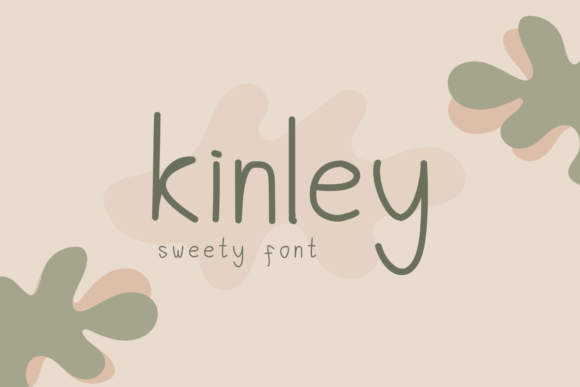
Kinley: The Handwritten Typeface for Authentic Brand Storytelling
I was staring at a blank Canva canvas, trying to design a label for my new batch of lavender soy candles. I had the photography perfect—the soft purple hues, the rustic wooden background, the steam rising gently from the jar—but the text felt flat. It looked like every other generic listing on Etsy. I needed something that whispered "handmade" without shouting it. That’s when I pulled up Kinley. Within minutes, the vibe shifted. The font didn’t just sit on the label; it felt like it belonged there, carrying an undeniably authentic charm that instantly elevated the perceived value of the product.
If you are a crafter, a printable creator, or a small business owner who relies on visual storytelling, you know that typography is often the silent salesperson. Kinley, released by Script Amp, is not just another script font. It is a modern handwritten typeface that bridges the gap between polished professionalism and cozy, approachable creativity. In this guide, I will walk you through how I integrated Kinley into my shop materials, why it works so well for physical merchandise and digital downloads, and how you can use it to build a cohesive brand identity.
Why Kinley Stands Out in a Sea of Scripts
When browsing creative fonts, it is easy to get overwhelmed by options that are either too messy or too rigid. Kinley strikes a beautiful balance. As a modern handwritten font, it features fluid strokes and natural variations that mimic real penmanship but with enough consistency to remain legible. This makes it incredibly versatile for makers who need their designs to look good both on a tiny sticker and a large tote bag.
The visual personality of Kinley is warm and inviting. It has a slight slant and organic edges that give it character, yet it remains clean enough for editorial design and packaging design. Unlike some script fonts that require extensive kerning adjustments to look right, Kinley flows naturally. When I tested it on a mockup for a wedding welcome board, the letters seemed to dance across the sign without feeling chaotic. This ease of use is crucial for creators who are juggling multiple projects and need efficient workflow solutions.
Real-World Applications for Makers and Sellers
I have been experimenting with Kinley across various product categories in my shop, and here is how it translates to different mediums:
Product Labels and Packaging
For my candle labels, I used Kinley for the main product name and paired it with a simple sans serif font for the scent notes and weight. The contrast created a hierarchy that guided the customer’s eye immediately to the brand name. The handwritten style adds a personal touch, making customers feel like they are buying from a person, not a factory. This emotional connection is vital for building customer recognition and loyalty.
Greeting Cards and Stationery
When designing birthday invitations or holiday cards, Kinley shines as a display font. I love using it for short phrases like "Happy Birthday," "Cheers," or "Welcome." Because it is a creative font with distinct flair, it serves as a focal point. For longer text, such as the body of a letter or instructions, I avoid using it due to readability concerns, opting instead for a clean serif font. However, for titles and decorative wording, Kinley brings an instant sense of celebration and warmth.
Digital Downloads and Printables
As a creator of planner pages and wall art, I rely heavily on digital assets. Kinley is excellent for quote-based wall art where the message is short and impactful. I’ve found that when listed as a digital download, listings featuring Kinley often attract buyers looking for farmhouse chic, boho, or minimalist aesthetic templates. The font’s modern edge fits perfectly with current interior design trends, making it a valuable addition to any designer’s toolkit.
Craft Fair Signage and Merchandise
For physical products like mugs, shirts, and tote bags, legibility is key. Kinley handles cutting machines like Cricut and Silhouette beautifully. The vector paths are smooth, reducing the risk of weeding errors. I recently designed a set of boutique tags for handmade jewelry using Kinley. The font held up well even when scaled down to a small tag size, provided I left enough breathing room around the letters. It also looks stunning when printed on kraft paper, enhancing the rustic, eco-friendly vibe of sustainable packaging.
Design Tips for Maximum Impact
To get the most out of Kinley, consider these practical tips based on my production experience:
- Font Pairing: Kinley pairs exceptionally well with a clean sans serif font for secondary information. The contrast between the organic script and the geometric sans serif creates a balanced, professional look. You can also pair it with a bold display font for headers if you want a more dynamic layout.
- Readability Matters: While Kinley is charming, it is best suited for short phrases, names, titles, and decorative elements. Avoid using it for long paragraphs of text, especially on small stickers or product labels where space is limited. Test your designs at actual size before printing to ensure customers can read them easily.
- Color and Texture: Don’t be afraid to experiment with textures. Kinley looks fantastic embossed on cardstock or printed in metallic foils for luxury packaging. On digital listings, try placing the text over soft, blurred backgrounds to make the white or light-colored letters pop.
- Mockup Presentation: When creating listing images for your shop, show Kinley in context. A photo of a mug with the font printed on it sells better than a flat digital file preview. Show the font on a tote bag hanging on a shoulder, or on a label wrapped around a jar. This helps potential buyers visualize the final product.
Technical Considerations for Commercial Use
Before incorporating Kinley into your commercial products, it is essential to review the licensing agreement. Ensure you have the appropriate commercial font license if you are selling physical products, templates, printables, SVG-style designs, or merchandise. Most premium fonts offer clear guidelines on how many units you can sell or whether you need an extended license for high-volume items.
Check the included styles, alternates, ligatures, and swashes. These features can add unique touches to your designs, allowing you to customize words without needing additional graphic design software skills. Also, verify multilingual support if you plan to cater to international audiences. Understanding the file formats available (such as OTF, TTF, or WOFF) ensures compatibility with your preferred design tools, whether you are using Adobe Illustrator, Photoshop, Procreate, or online editors.
Elevating Your Brand Identity
Typography is a cornerstone of brand identity. By choosing a font like Kinley, you are signaling to your audience that you care about details and authenticity. It conveys a mood of creativity and trustworthiness. Whether you are designing seasonal craft designs, updating your shop branding, or creating new digital templates, Kinley offers the flexibility to adapt to your evolving needs.
I encourage you to download a trial or purchase Kinley and start testing it on your next project. Try it on a simple greeting card, then scale it up to a large poster. Notice how the font maintains its integrity and charm regardless of the application. In the world of handmade goods, where personal connection drives sales, having a typeface that reflects your unique voice is invaluable. Let Kinley help your creations speak louder, clearer, and more beautifully.